Saturday, February 25, 2023

Life's A Beach


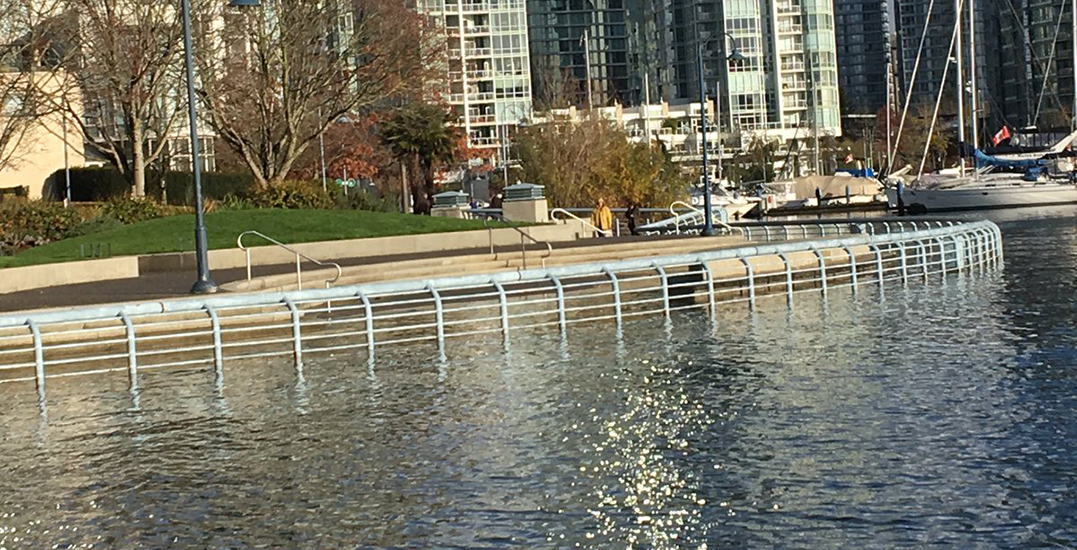
Another storm and more washed up sailboats around the city's beaches but more importantly is the ongoing damage to the seawall everytime a storm happens and how it highlights our failed efforts to try and push back against the ongoing erosion damage. Last year around the same time we had a nasty storm that took out the seawall and Kits pool and cost a few million to repair and experts say this trend is only going to get worse.


Ironically it's the seawall itself that aggravates the problem by increasing the waves energy as they get redirected after hitting the wall and then begin scouring the seafloor which ultimately results in the seawall itself collapsing. 


Removing the seawall and allowing the beach to revert to its natural state and installing an elevated boardwalk along the shoreline might be the ultimate solution but according to Parks Board estimates the cost of replacing the seawall around Stanley Park would be at least $250 million.


Another approach to combatting beach erosion is to construct "living dikes" along the shoreline which means adding soil and salt marsh vegetation to low lying areas along with sand, rock and driftwood berms which is what the cities of Surrey and Delta are doing around Boundary Bay. 


A similar approach is building a "dynamic revetment" or cobble berm of gravel and cobble-sized rocks to mimic a natural storm beach. Unlike seawalls this allows wave action to rearrange the stones into a stable profile that disrupts wave action and dissipates the waves energy as the rocks move around. Eventually sand settles in between the stones and a beach begins to form. This is what they've been successfully building at nearby Washaway Beach in North Cove,Washington State to counter the massive erosion the community was facing. 


Both of these approaches also have the pleasant side affect of promoting the habitat that supports ecosystems for a wide variety of migratory birds, and coastal marine life.


With tides and sea levels predicted to continue rising and winter storms only getting worse, how we approach the management of our shorelines will determine whether or not life's a beach or if we will even continue to have one. 


Saturday, January 21, 2023

The Waiting Game


With our annual flu/cold season upon us in the midst of an ever mutating COVID epidemic, people are understandably focused on their health. Unfortunately they don't focus on the things that would make it less likely to catch these things, like wearing a mask, making sure you have lots of fresh air, and avoiding crowded areas. They don't want to make any changes to their routine and they expect a magic pill of some sort to immediately cure them if they do fall ill.

Of course getting a pill or any other form of treatment would mean being able to access a doctor of some sort and currently over 1 million people in B.C. alone have no access to a family doctor, never mind the line-ups they face at the nearest hospital or the wait time to see a specialist. The reasons for this are complicated but they are basically for the same reason we have a shortage of nurses and other medical professionals. Our medical/nursing/technical schools have a very limited enrollment, we don't recognize the credentials of fully qualified and trained immigrants, and we can't even agree on a national acreditation standard or process for allowing Canadian trained professionals to work anywhere they choose.

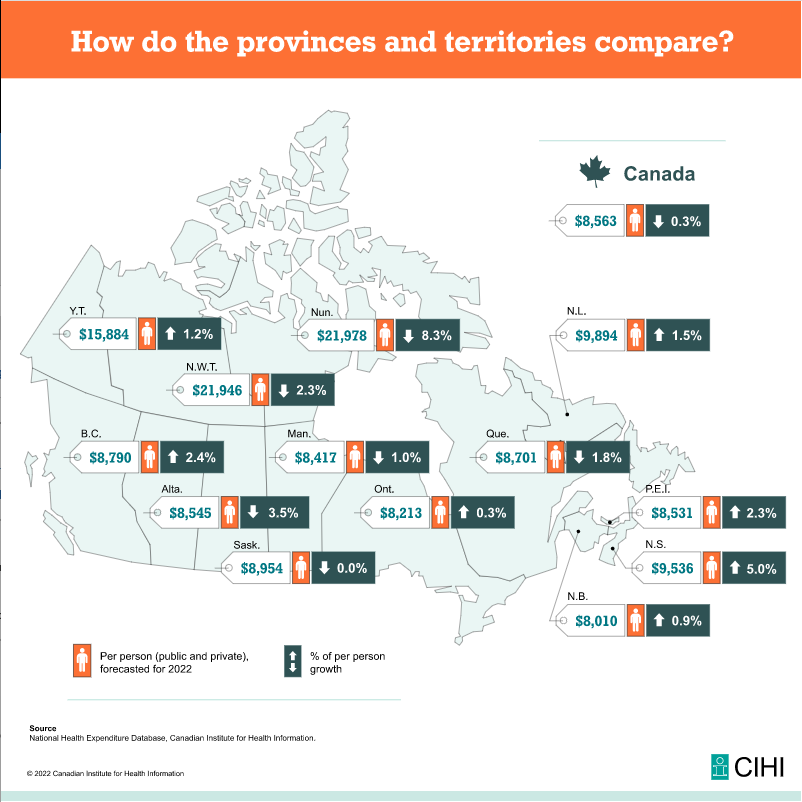
Health care in Canada is now approaching $3.5 billion dollars annually. Half of that is split between hospitals, physicians, and drugs. Health care is mostly paid for through our taxes but it doesn't include  all prescriptions, dental care, eye glasses or a wide range of other professional services not to mention home care and services for seniors . The average Canadian's medical services costs work out to $8,500.00 annually with this amount divided between the public and private sector at a roughly 75-25 split. Private health care services are paid for by patients primarily out of pocket and/or through private insurance.

But while the Canadian health care system is a federal creation with universal coverage, it's a provincial responsibility to deliver and herein lies the problem. While the federal government keeps expanding the scope of health care, the provinces are falling behind in delivering their part of the bargain. Without bothering to tackle some of the root causes within their own control, which include an antiquated family doctor system, bloated hospital bureaucracies, a professional registration system that operates like a closed shop union, underpaid health care workers, and no central electronic repository of health records, the provinces keep asking for more money and expect the federal government to pay for something it has no control over. 

There are no metrics for timely delivery of services, be they emergency or elective, and both levels of government have until now refused to allow private clinics to help with the heavy lifting. Why is it not a problem to find a family dentist? A well known business maxim states that you can't manage or improve what you don't measure and, before the federal government gives the provinces more money, they are saying, rightly so, that the provinces need to demonstrate they can set up some measureable delivery targets and hit them. Targets for wait times for surgeries, to see a specialist, and to be looked after in an emergency ward need be fair and they need to be achievable. Furthermore these targets need to be made public so that everyone knows what they are and can govern themselves accordingly. 


In the meantime we could all do our own part in keeping ourselves healthier instead of complaining about the line ups. In spite of all the advantages of exercise the average person doesn't even go for a daily walk never mind jogging, cycling or swimming. It's not that exercise will make you live longer but it will certainly make your life more comfortable and easier to manage. That and eating and drinking properly. A little less time in front of a screen and a little more time outside moving around would do wonders. After all what could be more important than looking after your body? It's better than playing the waiting game.

Wednesday, December 21, 2022

Boom Boom Out Go The Lights

Luna the Whale

Once upon a time the West End was a dark and dreary place as the days grew shorter and the winter season began. But in 2015, in a tribute to all the whales living in the waters around Vancouver, Luna arrived to brighten things up by sporting over 6,000 LED bulbs in a magnificent display of artistic genius. Created by the folks at MK Illumination, Luna was an immediate hit with the neighbourhood and, during the course of his winter sojourn, thousands of photographs were taken.

Eugenia the Oak Tree - photo by Junie Quiroga

In 2017 the MK folks added Eugenia the oak tree that plays homage to an oak tree that decorated the English Bay skyline for 30 years on top of the Eugenia Place residency. Lit up with 7,600 mini LED lights that are constantly changing colour Eugenia provided a magical entrance to the seawall.

Stanley the Heron - photo by Junie Quiroga

In 2018 Luna was joined by a new friend named Stanley the Heron. With nearby Stanley Park home to one of North America's largest colonies of blue herons this MK creation was a perfect match and, standing 13.5 feet tall with over 10,000 LED lights, he gracefully lit up another section of the area around Morton Park.

Davie the Bear - photo by Junie Quiroga

In 2019 MK Illumination really knocked it out of the park with a 24 foot tall Grizzly Bear named Davie who was lit up with more lights than anyone could count. While there aren't any grizzly bears in the Vancouver area anymore, the sculpture hightlighted the magnificence of these creatures and the need to protect them in their wilderness habitat.

Barclay the Beaver

In 2021 came Barclay the Beaver, all 12 feet of him happily chewing his way through a piece of crystal and reminding everyone of who Canada's national symbol really is. There are two beaver colonies in Stanley Park, in Beaver Lake and Lost Lagoon and, just like Barclay, the best time to see them is at dawn or dusk.


But then something strange happened. After 7 years of enjoying all these light installations suddenly, without any warning, in 2022, they all disappeared. Not only were there no new creations, the old ones had been taken away somewhere and there was no public explanation. After submitting an inquiry to MK Installations I was directed to the West End Business Association who explained that costs to maintain, store, set-up and take down these iconic displays had gotten too expensive and they couldn't afford to continue. Apparently the old Parks Board (who thankfully have been kicked out of office) didn't want to contribute to sharing the cost and considered the fact they allowed the installations to be placed on Parks territory enough of a contribution. The West End was plunged back into the dark ages just as we were entering a very cold winter.


So while the heart of the West End is no longer lit up with festive creatures and folks are once again forced to stumble around in the darkness, thankfully there is one tiny beacon of light to guide them. This of course would be the Sylvia Hotel where the lights are always on and warm cheer can always be found no matter the weather or the Scrooge like behaviour of the Parks Board. When the lights go out everywhere else, at least there is one place you can still count on.

Eug

Tuesday, November 29, 2022

Return To Sender


Olive Ridley Turtle

On a recent holiday to Mexico, my wife and I had the opportunity to participate in a fascinating turtle release conservation project. There are 7 different types of sea turtles in the world; Green, Loggerhead, Kemps Ridley, Hawksbill, Flatback, Leatherback, and Olive Ridley and all of them are endangered. In many parts of Mexico there are efforts being made to protect and improve the status of these turtles, and approximately 50 km. up the road from Zihuatanejo, located on a deserted stretch of beach, was the turtle camp we were introduced to that was focused on the Olive Ridley Turtle.

Female sea turtles return to the beach where they were hatched, to lay their eggs each year and, while in this part of Mexico nesting occurs throughout the year, peak nesting is between September and December. Nesting occurs at night when the female comes on shore and laboriously digs out a 1.5 feet deep nest with her hind flippers and deposits approximately 100 eggs. To save the eggs from predators, Felix, a tireless volunteer who had made his home on this stretch of beach, patrols the beach and carefully collects the eggs and re-buries them in carefully marked nests that are fenced off and kept shaded and watered to maintain the optimum temperature. Eggs incubated at temperatures of 31-32 degrees Celsius produce only females, eggs incubated at 28 degrees Celsius or less produce only males and eggs incubated at 29-30 degrees Celsius produce a mixed sex clutch.


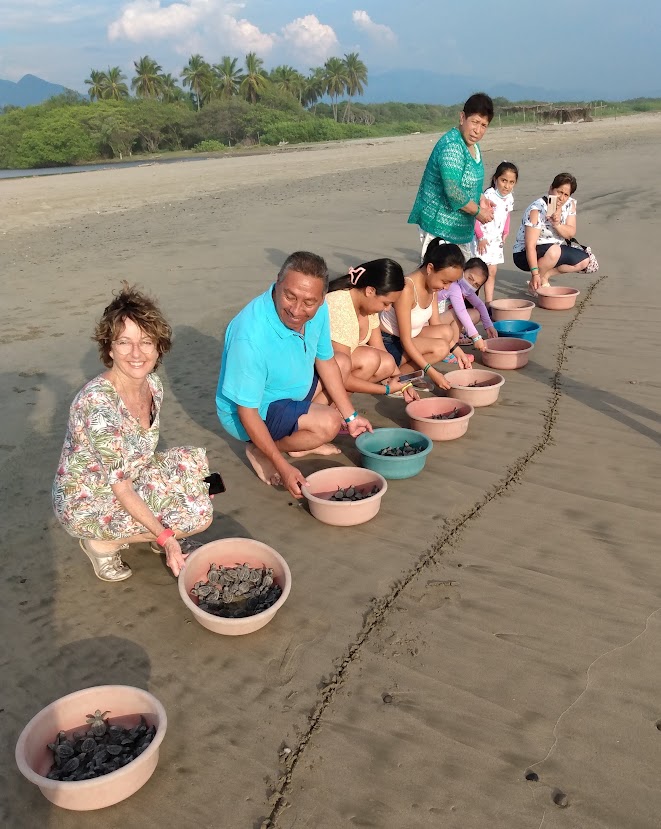
The eggs typically hatch after 45 days and Felix directs us to one of the marked nests and shows us how to carefully dig out the baby turtles. Sure enough the squirming creatures are frantically trying to come out of the sand and we start collecting our 100 babies, each one a perfect miniature of a full grown adult, into a plastic bucket.


Once we have made sure none of the little guys have been left behind we take our almost overflowing buckets to a table where the turtles can take some time to shake the sand off themselves and get comfortable breathing in a little ocean air. Proud parents of the most adorable babies ever, we of course need to pose with them a little.


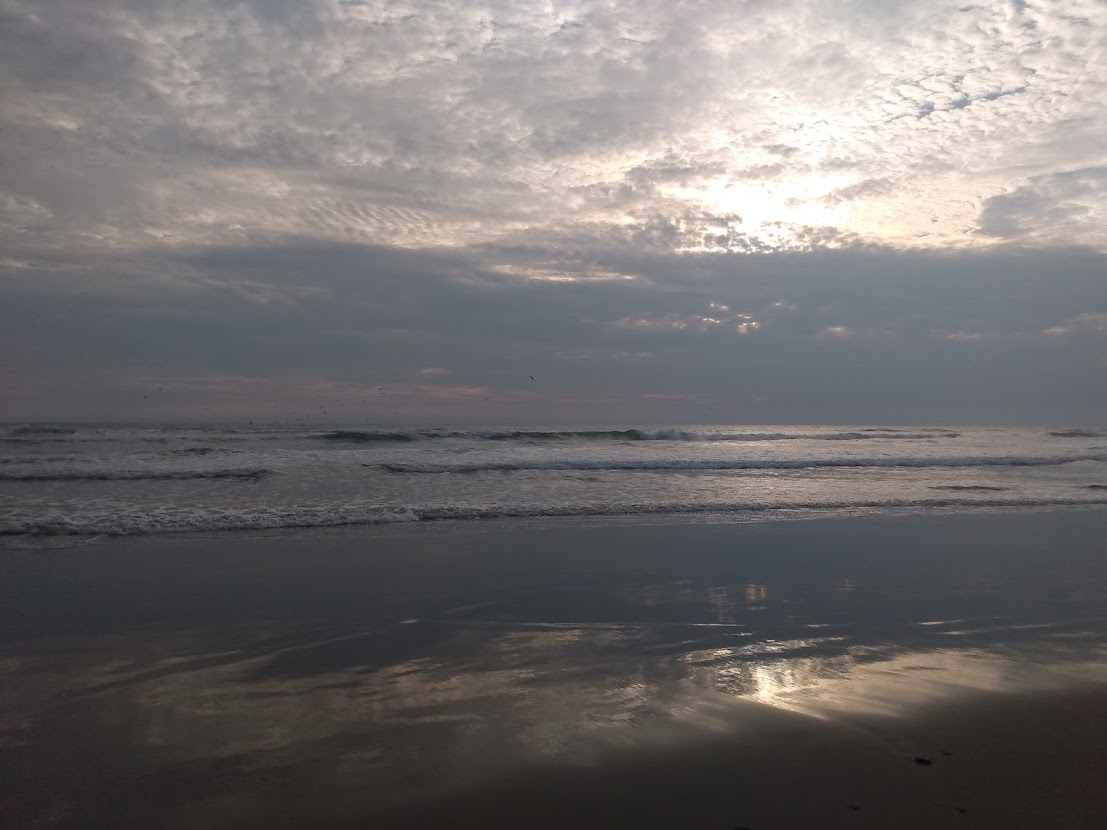
As sunset approached it was time to join up with the others for the big race to the ocean. This was the event we were all waiting for, or rather the turtles were, and we were there to cheer them on as they unerringly made their way to the water with their little legs going as fast as they could. It only took a few minutes and they were in the sea.


It was a perilous race to the water with seabirds trying to pick them off from the air and who knew what other creatures and hazards were waiting for them in the ocean, but everyone gave it their best effort and they all made it to the first leg of what would be at least a 10-20 year journey before they would mature and the females could return to the same place and repeat the cycle. On average however, only one of the 100 eggs in a nest will survive to adulthood, but we had our money on this little guy who was determined to return to his sender.


Saturday, October 22, 2022

The Good, the Bad, and the Ugly


The murder of RCMP officer Shaelyn Yang, (immediately following the Province wide municipal elections where the number 1 issue was the out of control crime and stranger attacks by drugged out homeless people) couldn't have made the point any clearer that it's way past time to do something meaningful about this out of control situation. The bleeding heart woke crowd, who can't seem to acknowledge that everything they have tried to do up until now has only made things worse, need to step aside and let the rest of us, who believe in law & order and civil society, take charge. Reality has to take over and harsh measures are needed to get things back to some semblance of normality.
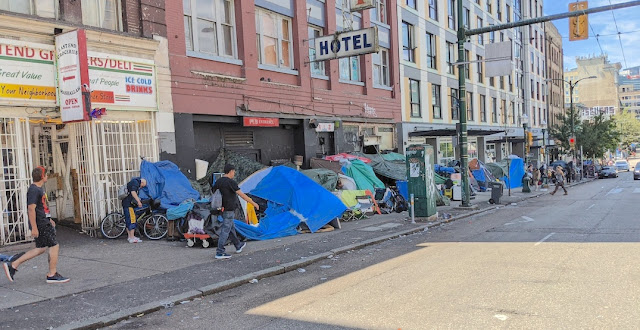


The tent cities, drug dealing, and stolen goods markets that have taken over the sidewalks of the downtown eastside are so beyond the pale that no sane person could imagine people living like they do. Photos of the area are now becoming postcards and the area is a tourist attraction for those foolhardy enough to think it will add a little colour to their vacation in otherwise beautiful Vancouver. The filth, squalor, and crime these people wallow in is only possible because they are hopelessly addicted to powerful drugs that bare no resemblance to any sort of recreational high you might get from smoking a joint or even dropping a hit of LSD.

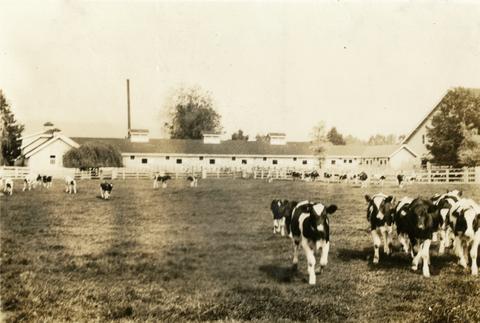
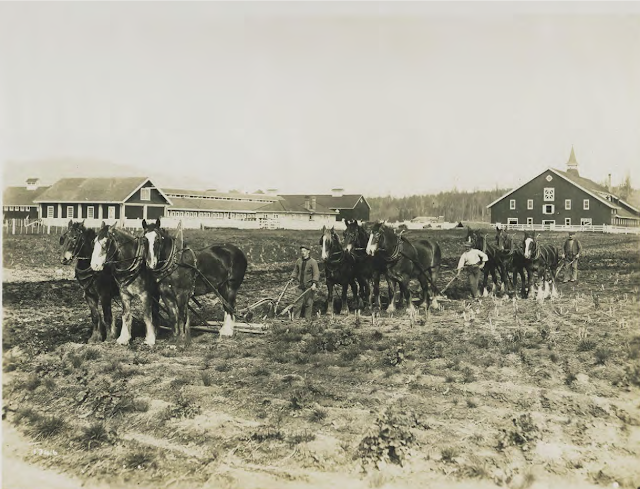

It's no exaggeration to say that all these people living in the downtown eastside have a severe mental problem, and at one time we had a place for these people to live and get treatment for their mental illness. Located in Coquitlam, Riverview Hospital originally opened in 1913 with room for 480 patients but by the end of the year there were 919 living there. The population continued to grow until by 1956 the facility had more than 4,000 patients. The facility had a nursery, botanical garden and even a farm (Colony Farm) that produced over 700 tons of crops and 20,000 gallons of milk every year using patient labour. It also had an Industrial Therapy Building that had shops for teaching cabinet making, upholstery, furniture finishing, metal work, printing, electronics, tailoring, shoemaking etc. to the patients so they could have a vocation when they resumed life after being discharged from the hospital.
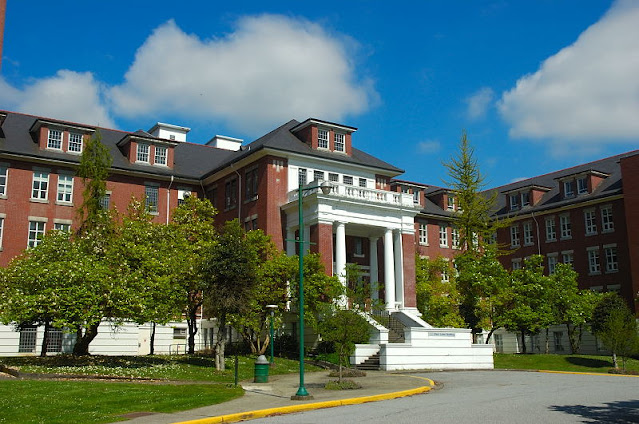
Sadly all of that is gone now and the remaining buildings are now only used as film locations by the film industry. Starting in the 1960's the government started downsizing Riverview with promises to build smaller, more regional facilities elsewhere in a phased in approach. By 2002 Riverview was down to only 800 beds and then in 2012 it was completely closed and the promised regional facilities were never built. The provincial government at the time said that institutionalization was not the solution to homelessness or drug addiction and it was gaps in the community health care system needed to be addressed. Unfortunately, the gaps were never addressed and the patients were left to their own devices with most of them moving to the downtown eastside.


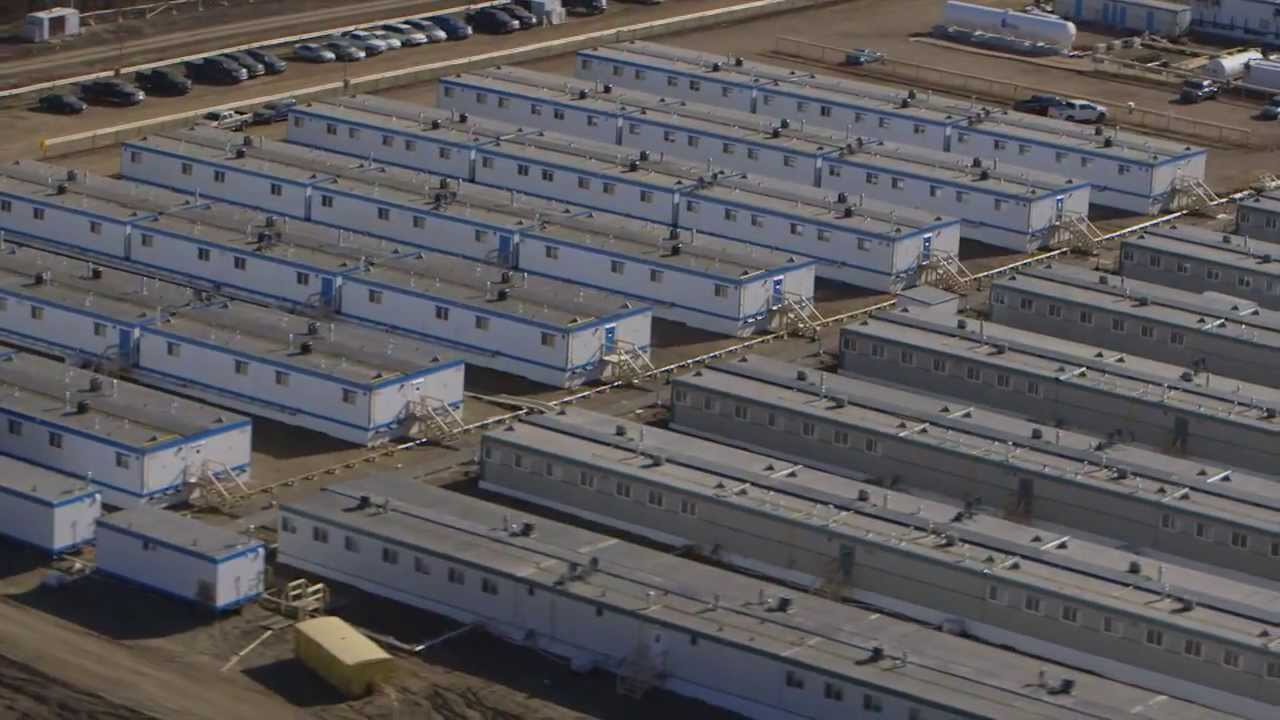
Almost immediately governments at every level realized this was a mistake and in 2015 the government promised to replace the obsolete buildings with new mental health facilities but, as of 2022, no new construction has started. In the meantime we have to endure the lawlessness taking over the downtown business area and creeping into every other neighbourhood. But there is a solution, and all that's required is rounding up these people and housing them in a secure, temporary facility with work camp style trailers. Once they are locked up they can undergo addiction and mental health treatment and then when that has been completed they can work on their vocational training before they are released. For those who can't make it on their own in society we need to put them in a permanent care facility, and this is something the government should be building with all speed.
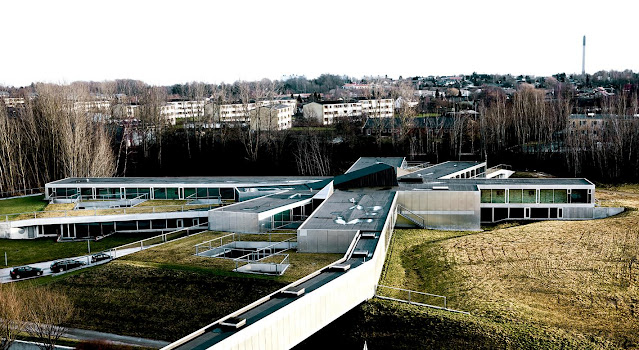

Over the years there have been many advances in psychiatric care, and modern hospitals don't bear any resemblance to the old lunatic asylums of the past. We need to start building a new Riverview right away and, in the meantime, we shouldn't be dragging our feet on getting treatment for those who need it, regardless if they think differently. It's time to clean up the streets once and for all, return the parks to the use they were intended, and quit kidding ourselves that the problem will just go away if we give everyone free drugs and handouts. Tough love is what's required. We once had good facilities, now we have nothing which is bad, and it's only going to get uglier if we don't make some radical changes.