Saturday, October 22, 2022

The Good, the Bad, and the Ugly


The murder of RCMP officer Shaelyn Yang, (immediately following the Province wide municipal elections where the number 1 issue was the out of control crime and stranger attacks by drugged out homeless people) couldn't have made the point any clearer that it's way past time to do something meaningful about this out of control situation. The bleeding heart woke crowd, who can't seem to acknowledge that everything they have tried to do up until now has only made things worse, need to step aside and let the rest of us, who believe in law & order and civil society, take charge. Reality has to take over and harsh measures are needed to get things back to some semblance of normality.


The tent cities, drug dealing, and stolen goods markets that have taken over the sidewalks of the downtown eastside are so beyond the pale that no sane person could imagine people living like they do. Photos of the area are now becoming postcards and the area is a tourist attraction for those foolhardy enough to think it will add a little colour to their vacation in otherwise beautiful Vancouver. The filth, squalor, and crime these people wallow in is only possible because they are hopelessly addicted to powerful drugs that bare no resemblance to any sort of recreational high you might get from smoking a joint or even dropping a hit of LSD.


It's no exaggeration to say that all these people living in the downtown eastside have a severe mental problem, and at one time we had a place for these people to live and get treatment for their mental illness. Located in Coquitlam, Riverview Hospital originally opened in 1913 with room for 480 patients but by the end of the year there were 919 living there. The population continued to grow until by 1956 the facility had more than 4,000 patients. The facility had a nursery, botanical garden and even a farm (Colony Farm) that produced over 700 tons of crops and 20,000 gallons of milk every year using patient labour. It also had an Industrial Therapy Building that had shops for teaching cabinet making, upholstery, furniture finishing, metal work, printing, electronics, tailoring, shoemaking etc. to the patients so they could have a vocation when they resumed life after being discharged from the hospital.

Sadly all of that is gone now and the remaining buildings are now only used as film locations by the film industry. Starting in the 1960's the government started downsizing Riverview with promises to build smaller, more regional facilities elsewhere in a phased in approach. By 2002 Riverview was down to only 800 beds and then in 2012 it was completely closed and the promised regional facilities were never built. The provincial government at the time said that institutionalization was not the solution to homelessness or drug addiction and it was gaps in the community health care system needed to be addressed. Unfortunately, the gaps were never addressed and the patients were left to their own devices with most of them moving to the downtown eastside.


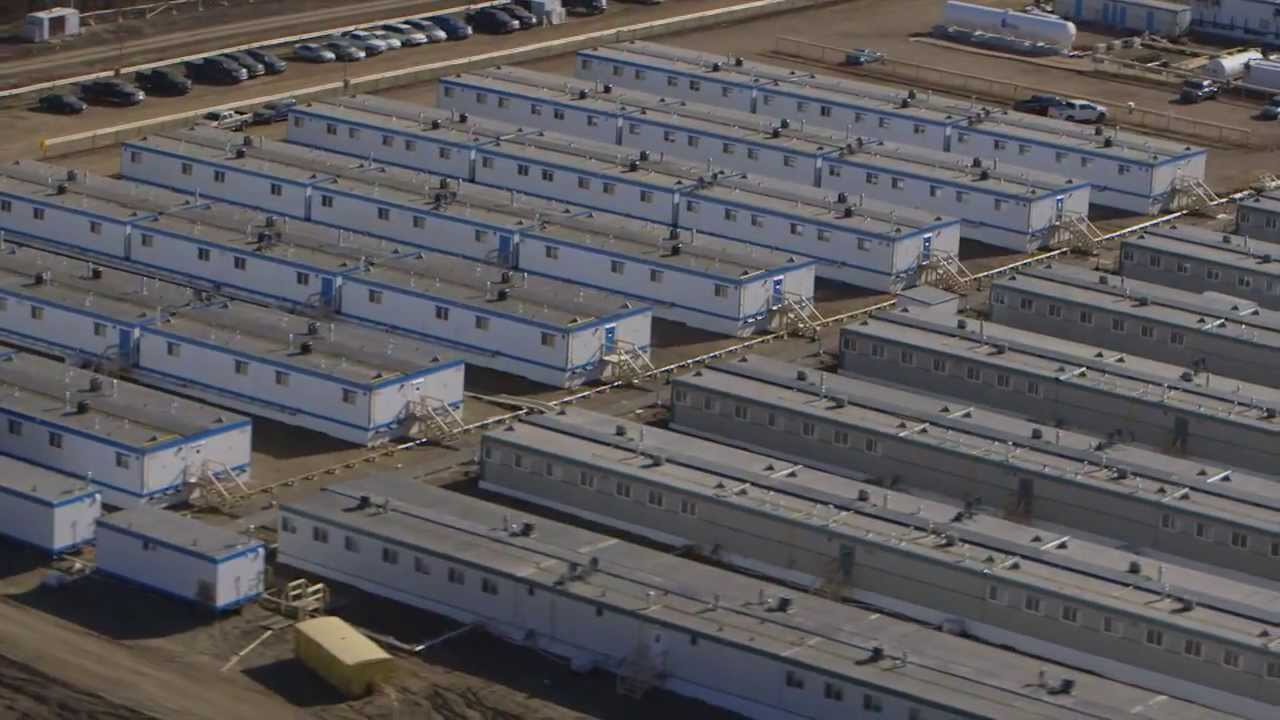
Almost immediately governments at every level realized this was a mistake and in 2015 the government promised to replace the obsolete buildings with new mental health facilities but, as of 2022, no new construction has started. In the meantime we have to endure the lawlessness taking over the downtown business area and creeping into every other neighbourhood. But there is a solution, and all that's required is rounding up these people and housing them in a secure, temporary facility with work camp style trailers. Once they are locked up they can undergo addiction and mental health treatment and then when that has been completed they can work on their vocational training before they are released. For those who can't make it on their own in society we need to put them in a permanent care facility, and this is something the government should be building with all speed.


Over the years there have been many advances in psychiatric care, and modern hospitals don't bear any resemblance to the old lunatic asylums of the past. We need to start building a new Riverview right away and, in the meantime, we shouldn't be dragging our feet on getting treatment for those who need it, regardless if they think differently. It's time to clean up the streets once and for all, return the parks to the use they were intended, and quit kidding ourselves that the problem will just go away if we give everyone free drugs and handouts. Tough love is what's required. We once had good facilities, now we have nothing which is bad, and it's only going to get uglier if we don't make some radical changes.

Sunday, October 9, 2022

Give Thanks


Once again it's that time of year when Canadians celebrate Thanksgiving. Unlike the Americans, whose celebration marks the day of when they started their campaign of Indigenous genocide, ours is a time of giving thanks for a good harvest and celebrating being able to survive for another year. This year the wheat harvest in particular is set to be a record breaker which is good news for the farmers and even better for those in the rest of the world who depend on the harvest for their own diet. 

Meanwhile in the Horn of Africa they are experiencing their worst drought and famine in 60 years and between 12-18 million people are facing varying degrees of malnutrition and starvation. Contrast this with people living in North America who have an obesity rate of over 60% and climbing. A lifestyle of junk food, large portions, and too much sugar has brought on an epidemic of diabetes and tooth decay while at the same time ignoring the plight of those with nothing to eat.

But it's not just food that we have too much of an abundance. We have too much stuff in general; too many clothes, too many things in our home, too many toys, and too many distractions. We've created a consumer culture that's a complicated mixture of competitive consumption, advertising, built-in obsolescence, and influencer trends that have become essential to keeping the economy running. But while consumer spending accounts for 60% of the economy it also accounts for an ever increasing level of household debt that now stands at $1.86 worth of credit for every $1.00 of disposable income.

And all this consumption generates a tremendous amount of garbage and packaging waste that ends up in our landfills, or worse, gets sent off to some impoverished country for them to dispose of. In fact, when you talk about waste, few Canadians realize that 58% of all food produced in this country is lost or wasted and yet 4 million Canadians, including 1.4 million children, struggle to access healthy food. The more you look at our lifestyle the more you realize we don't just have a culture of consumption we have a culture of gluttony.


Perhaps we could put up with all this waste if everyone on this planet had a somewhat equal standard of living but the reality is quite different. Global inequality is something people are just starting to get their heads around and when they do there will probably be a revolution. How can we put up with the fact that 10% of the population owns 76% of the wealth and 52% of all the income while the bottom 50% have only 2% of the wealth and 8% of all the income. Even in Canada the top 20% have more than 67% of all the wealth while the bottom 40% have less than 3% of the wealth.


Maybe Thanksgiving should be time of thinking how we can make the world a more equitable place to live by finding ways of sharing the wealth. Wealth taxes for the rich are the most obvious but ideas like a guaranteed income or sharing the profits of natural resources, since they are owned by all, also come to mind. Since the poor are often the least educated, free education could also be offered as a way to lift people out of poverty. There are many possibilities and ideas if our business and government leaders really wanted to solve the problem before it's too late.


It feels good to share and at this time of year there's nothing more satisfying than sharing a Thanksgiving meal with friends and/or family. Perhaps it's that spirit of sharing that will inspire us to find a way to make the changes necessary so that everyone in the world can give thanks.


Thursday, September 1, 2022

Down To The Waterline


This past summer there have been some disturbing photos about water, or the lack of it, in the news with Lake Mead being one particular example. A reservoir formed by the Hoover Dam on the Colorado River, it supplies electricity to 350,000 homes as well as irrigation and drinking water to 25 million people but, owing to a megadrought that started in 2000, it is now at a record low level. Currently the Lake Mead water level is 1,040 feet, a 160 foot drop since the year 2000 with the so-called "bathtub rings" on the hillsides indicating previous water levels. If the water level drops below 950 feet the Hoover Dam will cease generating electricity and at 895 feet a condition called "dead pool" occurs which means no water will flow past the Hoover Dam thus cutting off water to anyone in Arizona or California. In the meantime people are discovering all sorts of things that once rested on the bottom of the lake including boats, bodies, and assorted trash.

The Rhine River in Germany was another example of waterways falling to dangerously low levels and impeding river boat traffic. Ships are running aground and having to reduce their cargo so as to minimize the amount of draft, all of which is very costly and disruptive to the economy which is already struggling thanks to the war in Ukraine. 


Over in the Danube River there's a similar situation with low water levels and one made even worse by the exposure of German warships that were scuttled in WW2 and whose explosive laden hulks now threaten any shipping.


There was also the drought in Spain that has left reservoirs with less than half of their capacity and, as a result of the heat wave over western Europe, there were severe forest fires over Portugal, Spain and France.


In China the drought has caused the Yangtze and other rivers to dry up which has not only severely impacted shipping but also caused disruptions at manufacturing plants because of reduced hydro electric output. To try and combat the drought China has been resorting to launching rockets with cloud seeding silver iodide in an effort to induce rainfall. 


Drought in the Horn of Africa after four consecutive years of no rainfall has left millions of cattle dead as well as hundreds of thousands of people. The area is plagued with famine and war and millions are facing famine and water shortages. 


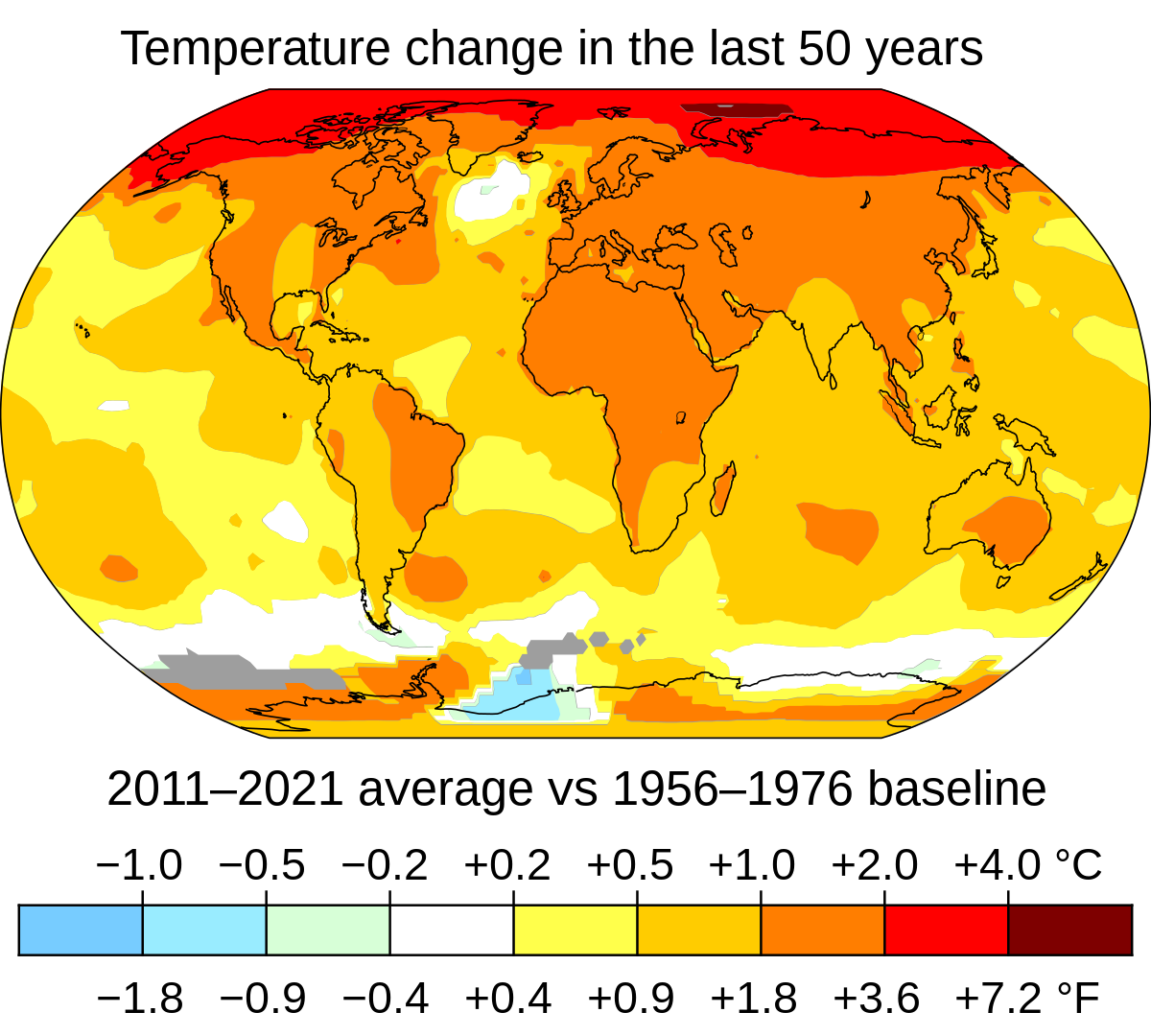
Global warming is of course the main culprit for expanding drought conditions around the world but pressure from an increasing world population, improving living standards, expansion of irrigated agriculture, deforestation, changing consumption patterns, and wasteful uses of water are also contributing factors. But in some places global warming is having the opposite effect of drought by bringing in extreme rainfall and causing glaciers to melt, which adds more fresh water run-off than areas can handle.


This year epic flooding hit Pakistan and left it with 1/3 of the country under water, more than 30 million people affected, and a death toll rising into the thousands. Heavier than usual monsoon rains and more than normal glacier melt in the Himalayas are the culprits with global warming being the root cause for both. 


Australia was also hit with epic flooding this year as a result of shifting global weather patterns that are bringing in extreme rainfall.


Water scarcity is where there is a lack of fresh water to meet the demand. Water scarcity of course varies around the globe with particularly arid countries and/or those with high population densities typically affected the most. Worldwide there is enough fresh water to meet the demand but there is a mismatch between water sources and where the people actually live. This is called physical scarcity.


Of more interest perhaps is what is referred to as economic scarcity which is caused by a lack of investment in the infrastructure or technology required to draw the water from rivers, aquifers, or other water sources to satisfy the demand. Because this is about money it affects poorer parts of the globe with sub-sahara Africa being particularly affected.


97% of the world's water is saltwater and only 3% is fresh. Of that most is tied up in glaciers leaving less than 1% accessible. Of that the African Great Lakes take up 29%, Lake Baikal takes up 22% and the the Great Lakes of North America take up 21%. Without adequate rainfall the rest of the world is extremely vulnerable to drought unless they can access the groundwater in aquifers. For those of us living in British Columbia we should never complain about the rain because, unfortunately, the rest of the world is increasingly getting down to the waterline. 


Thursday, July 28, 2022

Colour My World


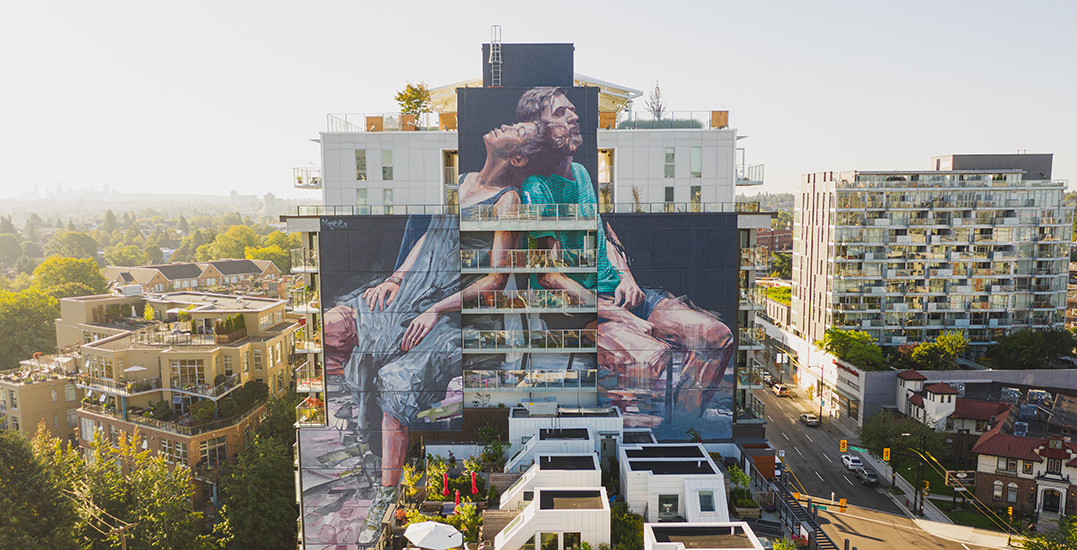
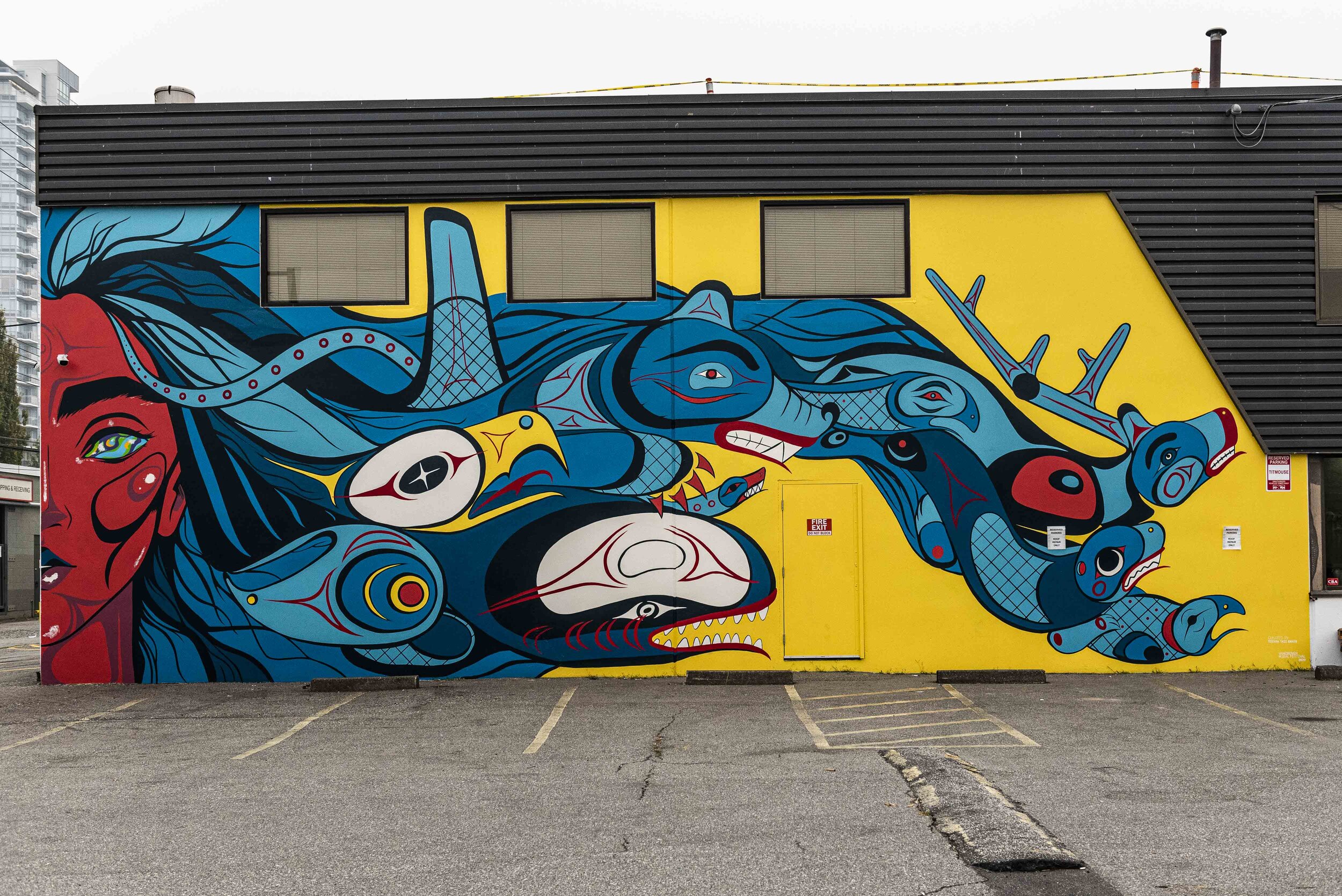
From August 4-14th the annual Vancouver Mural Festival kicks off once again and this year promises to add another 30+ murals to the more than 300 that now exist. Formed in 2016 as a grassroots organization dedicated to social sustainability, cultural diversity, and artistic excellence the murals have addressed a wide variety of socio-cultural issues in Vancouver while at the same time brightening up the city landscape. But a picture is worth a thousand words and just a few of these colourful installations quickly demonstrate the power of art to enrich us all. 


Turning bland or boring walls into something vibrant and eye-catching is a gift in itself to all who get to view it and, when it also provides a message of social importance and awareness, that's an added bonus. Some of the most beautiful ones are located in the Mt. Pleasant neighbourhood, where the festival began, but the murals can be found all over Vancouver's neighbourhoods including the River District, Marpole, Cambie Village, Strathcona, Downtown, and the West End. The best way to see them is by going on a walking tour in one of the neighbourhoods.


But murals aren't unique to Vancouver and, on a recent trip to Estepona, Spain, I was pleased to see the city had also sponsored a mural competition to brighten up various buildings while contributing to social awareness and artistic creativity. The tourist office even provided a self-guided walking tour map to aid in exploring them.

But while art can be of social importance it can also be just for fun. Or colour, or whimsy as is the case with the Douglas Coupland murals that have been painted on the newly refreshed Berkeley tower on the corner of Denman and Davie streets. Eye catching from every angle this landmark building became even more of a landmark with its bright new coat of many colours. In a rainy city filled with bland concrete what could be more cheerful than this? A little colour in this world goes a long way in lifting spirits and is something to be encouraged.

Monday, June 20, 2022

This Land Is Our Land


The current dispute over Wetsuweten land is just the latest in a long line of attempted appropriations inflicted on various First Nations as our settler society continues to think it can help itself to anything it sees with little or no regard for Indigenous people who may have already laid claim to it. Trying to separate facts from myths has never been easy in the context of Indigenous land ownership but slowly the courts are coming around to clarifying things and, in the process, the Canadian public is beginning to understand the First Nations position. With National Indigenous Peoples Day coming up on June 21st it's worth taking a look at some of the history behind the legal decisions being made today.

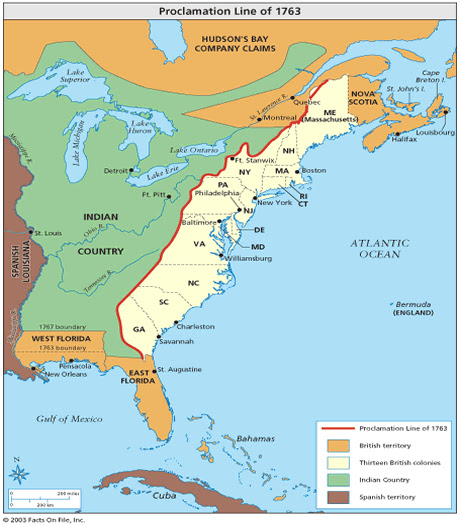
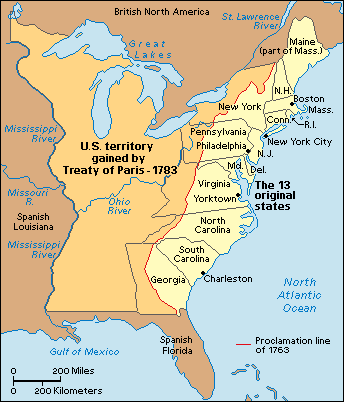
For the first 250 years of the European invasion, colonists from France, Britain, Holland, and Spain settled along the ocean shores and various rivers from the moment they landed, with little consideration for the Indigenous people already living there. While the First Nations people initially helped the settlers and even had reasonable trading relationships with them, conflicts soon developed over competition for land.  In 1763, after the end of the Seven Years War, the French were out of North America and Britain was in control of all lands east of the Mississippi and as far north as Hudson's Bay. To try and end the murderous conflict between settlers and First Nations, the British king, George III, issued a proclamation that set aside land for the Indians. A line was drawn along the Appalachian Mountains that forbid any settlement to the west which was delineated Indian Territory, and it went all the way to the Mississippi River which formed the eastern border of the Spanish territory.


This Royal Proclamation states explicity that all lands not ceded by or purchased from Indigenous people is reserved for them. It states the people should not be molested or disturbed in the possession of lands not ceded or purchased and are reserved for them as their hunting grounds. The Proclamation also prohibited any private person from directly buying Indigenous lands. An Indigenous nation could only sell their lands to representatives of the British monarch and it had to be done at a public meeting. The proclamation and access to western lands was one of the significant areas of dispute between Britain and the colonies and would, in the end, become a contributing factor leading to the American Revolution. Nonetheless, the Royal Proclamation has a particular place in the history of aboriginal rights. It is the first legal recognition of aboriginal title, rights and freedoms, and is recognized in the Canadian Constitution of 1982 which states the Charter cannot override the aboriginal rights granted in the Royal Proclamation.


Unfortunately war broke out in 1775 with the 13 British Colonies seeking independance from Britain and, after it was over, the new country of the United States was awarded the bulk of this Indian Territory which they had no intention of maintaining for Indians. The first test of Indigenous rights came when the Loyalists, who had fought against American independance, fled to British North America and needed land to settle on. Referred to as the Upper Canada land surrenders, these various 30+ treaties that were negotiated provided Indigenous peoples with cash payments, goods, and sometimes reserves to live on depending on the particular treaty, in exchange for providing land to the settlers. Whether the terms of the treaties were fair is another issue but the rights of the First Nations to their land was confirmed.


The next group of treaties to be signed were the Lake Superior and Lake Huron Robinson Treaties in 1850. Beginning in the 1840's various mining companies had sent prospectors and surveyors into unceded territory to identify potential mineral deposits. They then acquired licenses from the colonial government to mine the region in spite of not having a treaty that surrendered the lands.  The Abishnawbe protested and demanded compensation and, after a violent clash erupted between miners and First Nation warriors, William Robinson was dispatched to negotiate a treaty and buy up land. One time payments and annual annuities were agreed to and huge tracts of land were surrendered. First Nations were also granted the right to hunt and fish in the treaty territory as long as there weren't any settlements or mining operations in place and land for reserves was also set aside. Despite the fact the annual annuity payments were never were adjusted over the next 200 years and are now the subject of a lawsuit, Indigenous land claims once again were confirmed.


From 1850-1854 another series of 14 treaties were negotiated by James Douglas, the Governor of the Colony of Vancouver Island, for small parcels of land for settlements, mining and sawmilling operations, and Hudson Bay Company trading posts. Aboriginal signatories relinquished any claim to the lands specified in the treaties in exchange for payment in goods and the right to hunt and fish on unoccupied ceded lands. The rest of Vancouver Island was presumed to belong to the First Nations living there.

After confederation, in 1867, the newly formed Confederation of Canada looked to expand its borders from sea to sea. Even though the government had acquired the former Rupert’s Land (the entire Hudson Bay drainage system that had been granted to the HBC 200 years earlier) they failed to have full control and use of the land as this transfer only provided sovereignty over the area. Title had reverted to the First Nations living there. One of the conditions to ensure British Columbia would join Confederation at the time was the construction of the Canadian Pacific Railway which would connect it to the rest of the nation. In order to satisfy British Columbia's request and the growing need for land by eastern settlers and new immigrants, treaties would have to be created with the First Nation people in the interior of the newly acquired land, which was all First Nation territory.

The Numbered Treaties are a series of eleven treaties signed between the First Nations and Canada from 1871 to 1921. These treaty agreements were created to allow the Government of Canada to pursue settlement and resource extraction in the affected regions, which include modern-day Alberta, Saskatchewan, Manitoba, and parts of Ontario, B.C. and the Northwest Territories.

These treaties came in two waves—Numbers 1 through 7 from 1871 to 1877 and Numbers 8 through 11 from 1899 to 1921. In the first wave, the treaties were key in advancing European settlement across the Prairie regions as well as the development of the CPR. In the second wave, resource extraction was the main motive for government officials.

In these treaties, the First Nations were coerced and tricked into giving up aboriginal title to vast amounts of land, in exchange for small reserves for their exclusive use and various promises of schools, food, and farming assistance as well as other entitlements such as hunting and fishing rights. Unfortunately none of these treaty terms were ever completely adhered to but the fiction of recognizing First Nations ownership was maintained.

When the Colony of British Columbia joined Confederation, in 1871, it did not recognize Indigenous title so it felt there was no need for treaties and, other than the Douglas Treaties and Treaty 8 signed by the Federal government to resolve problems related to the Klondike Gold Rush, treaties were not signed with any First Nations for the rest of British Columbia. With most of B.C. now considered unceded land, this was clearly both a mistake and a shorted sighted strategy. In 2000, the historic Nisga'a Treaty went into effect and set a precedent in forcing the issue of unrecognized Aboriginal title. This has resulted in over 50 other Indigenous nations in B.C. now negotiating agreements at various stages of the treaty making process.


Elsewhere in Canada modern treaties have been signed that include the James Bay agreement in Quebec, various agreements in the Yukon, and the largest and most significant of all being the Nunavut agreement that ended up creating a brand new, self-governing territory out of the Northwest Territory. While it's obvious now that many of the older treaties were hopelessly unfair, didn't represent what was agreed to orally, the negotiations were duplicious, and some of the written terms were not lived up to, they at least showed recognition of Indigenous title. First Nations today have access to the finest legal minds for their negotiations, in contrast to being forbidden legal assistance in the past, and the courts have recognized they have exclusive rights to the land and to associated benefits and profits, and must grant their consent before any economic development occurs. This land was always their land, not ours, and it was confirmed by a Royal Proclamation over 250 years ago. We need to remember that.